What should a modern, democratic healthcare system look like after political transition?
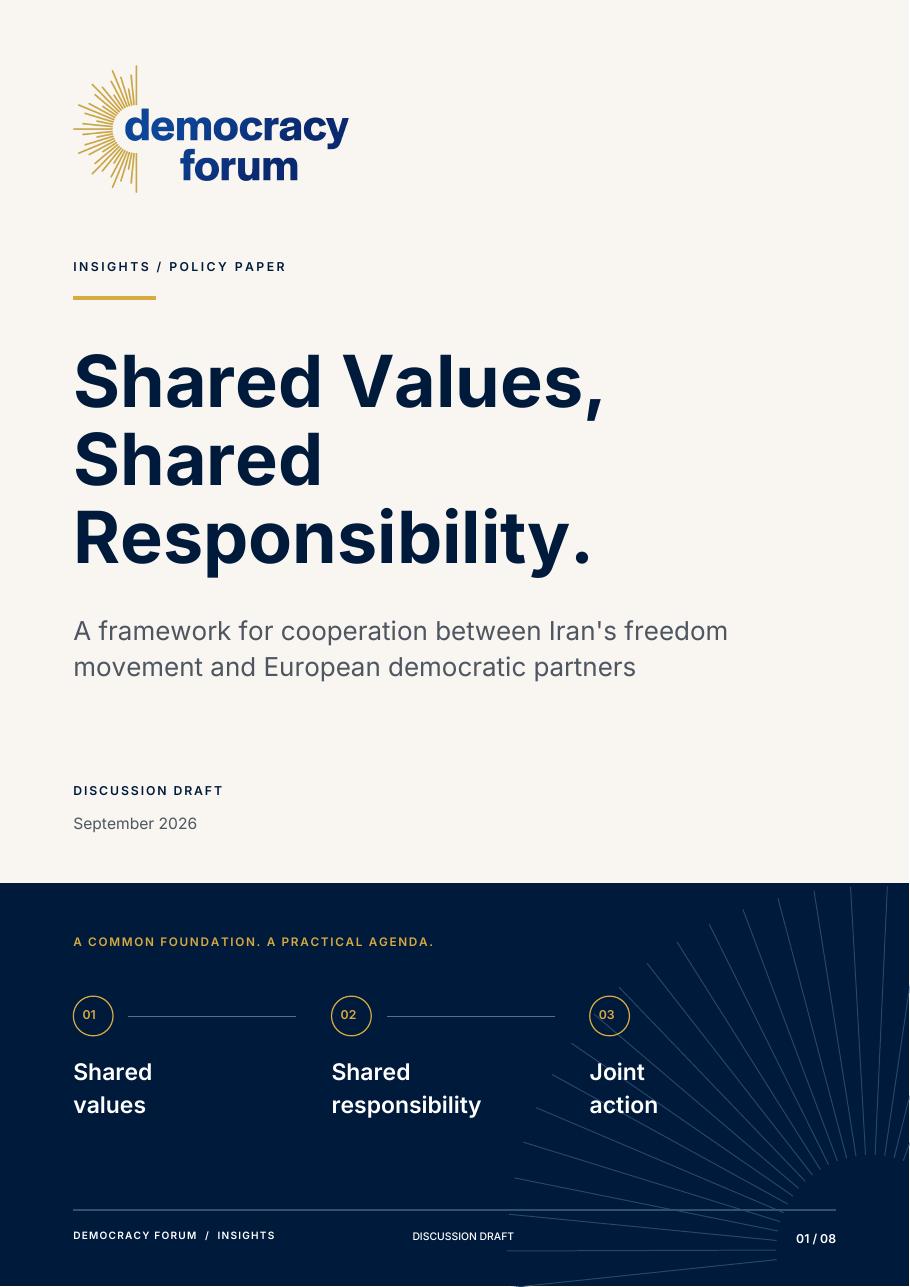
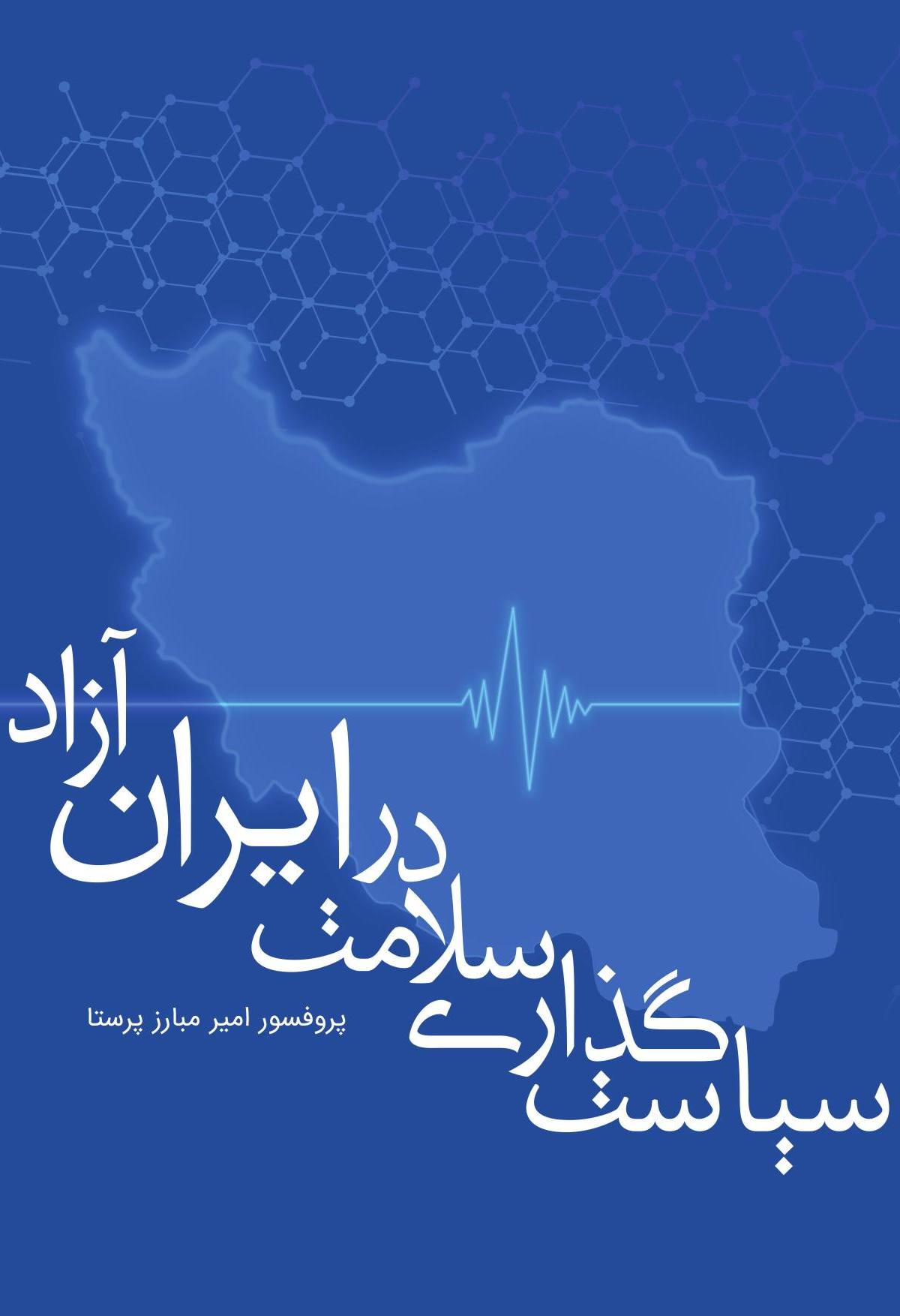
This policy paper presents a comprehensive framework for rebuilding Iran's healthcare system based on human dignity, individual freedom, social solidarity, transparency and evidence-based governance. Rather than focusing solely on reforming existing structures, it outlines a long-term vision for a healthcare system that combines universal access with professional independence, innovation and institutional accountability.
Summary
Healthcare is one of the first public institutions that citizens experience in everyday life. Its quality reflects the values of an entire society.
This paper proposes a comprehensive model for a future Iranian healthcare system founded on democratic governance, the rule of law and equal access to care.
It addresses institutional design, financing, professional autonomy, digital health, scientific freedom, international cooperation and a phased transition strategy, providing a practical policy framework for rebuilding healthcare in a democratic Iran.
Key themes
- Governance and the rule of law — independent institutions, clear mandates and public accountability for health decisions.
- Universal access — equitable coverage across regions and income groups, financed sustainably.
- Professional independence — clinical autonomy, ethical standards and protection from political interference.
- Digital health — interoperable records, data protection and evidence-based planning.
- Scientific freedom and cooperation — open research, academic exchange and international partnerships.
- Transition strategy — a phased, realistic sequence of reforms for the years after political change.